Jul 24, 2026
EVA Foam for Custom Cases: Complete Material Guide for Product Protection
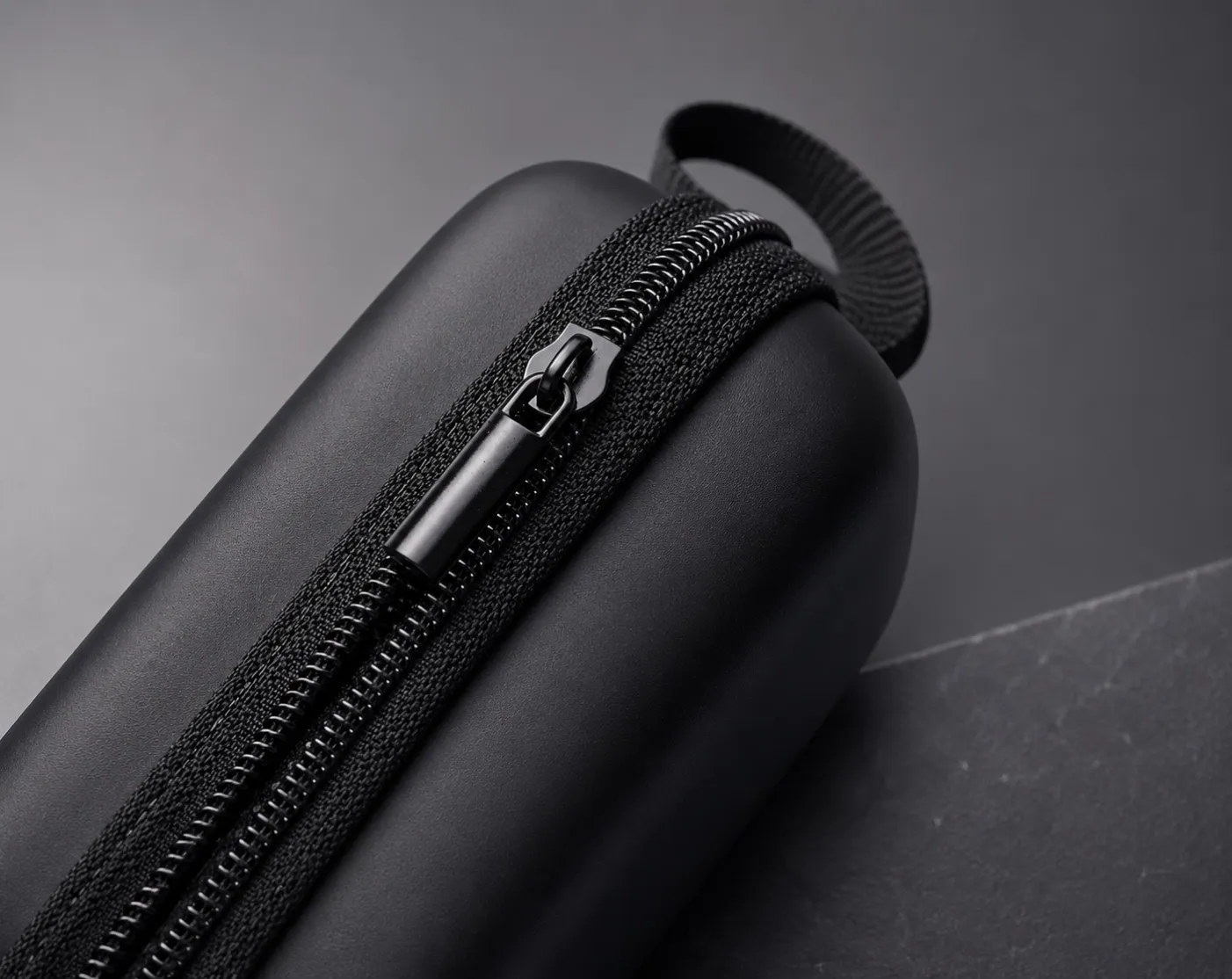
Looking for a custom EVA case manufacturer? Learn how EVA cases are designed, developed, and manufactured for medical, electronics, tools, and professional equipment brands.
EVA Foam for Custom Cases: Complete Material Guide for Product Protection
When designing a protective case for professional products, choosing the right material is one of the most important decisions.
For industries such as medical equipment, electronics, tools, cameras, and instruments, products often require protection from impact, vibration, scratches, and transportation damage.
EVA foam is one of the most widely used materials for custom protective cases because it combines lightweight construction, shock absorption, durability, and flexible customization options.
This guide explains what EVA foam is, why it is used for custom cases, how different foam densities affect protection, and how brands can select the right EVA solution.
What Is EVA Foam?
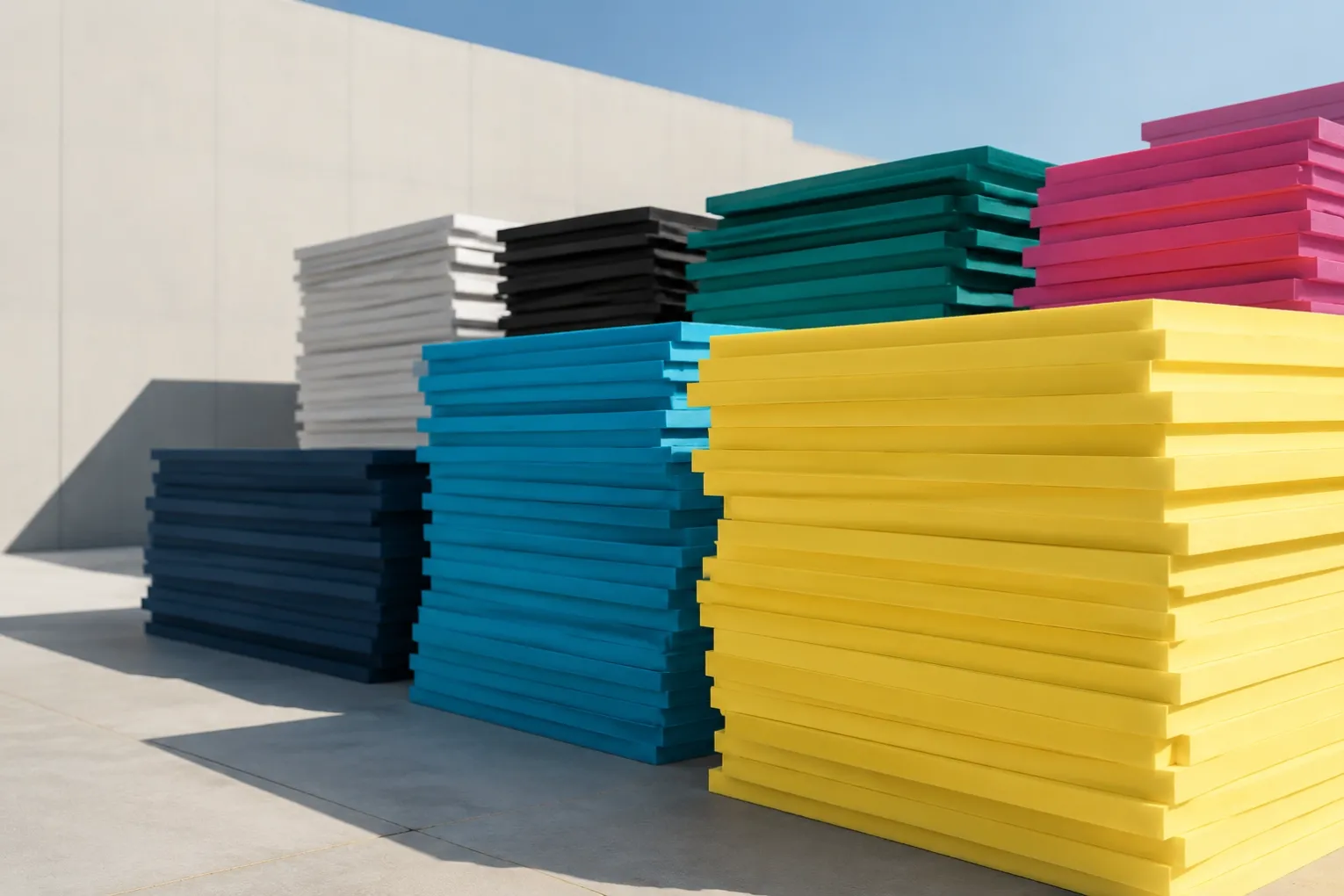
EVA foam stands for Ethylene Vinyl Acetate foam, a lightweight closed-cell foam material made from a combination of ethylene and vinyl acetate.
The material is known for several important properties:
- Excellent shock absorption
- Lightweight structure
- Flexible and durable performance
- Water-resistant characteristics
- Easy customization
- Smooth and premium appearance
Because of these advantages, EVA foam is commonly used in protective carrying cases for products that require reliable protection and professional presentation.
Why Is EVA Foam Used for Custom Cases?
A custom EVA case is designed around the exact shape and requirements of a product.
Unlike standard cases, custom EVA solutions use foam engineering to create a secure internal environment.
The main advantages include:
1. Superior Shock Protection
One of the most important functions of EVA foam is impact absorption.
During transportation, products may experience:
- Drops
- Vibrations
- External pressure
- Accidental impacts
EVA foam helps absorb and distribute impact energy, reducing the risk of damage to sensitive equipment.
This makes EVA cases suitable for:
- Medical devices
- Electronic equipment
- Testing instruments
- Professional tools
2. Lightweight Protection
Many protective materials provide strength but increase weight.
EVA foam offers a better balance between:
- Protection
- Portability
- User comfort
For professionals who carry equipment frequently, lightweight protection is a major advantage.
3. Excellent Customization Capability
One of the biggest reasons brands choose EVA cases is customization.
EVA foam can be processed into precise shapes using:
- CNC cutting
- Die cutting
- Compression molding
Manufacturers can create foam inserts that match:
- Product dimensions
- Accessories
- Internal components
- Usage requirements
This allows every product to have its own dedicated protection system.
4. Professional Appearance
A protective case is often part of the customer experience.
EVA cases can be customized with:
- Different fabric coverings
- Brand logos
- Colors
- Zipper styles
- Handle designs
For brands, a well-designed EVA case can improve product presentation and create a more professional image.
EVA Foam Density Guide for Custom Cases
Foam density is an important factor when selecting EVA material.
Different products require different levels of support and cushioning.
EVA Foam Density | Characteristics | Common Applications |
|---|---|---|
Low Density EVA | Soft, lightweight, flexible | Accessories, small electronics |
Medium Density EVA | Balanced protection and flexibility | Electronics, tools, instruments |
High Density EVA | Strong support and impact resistance | Medical equipment, industrial products |
Choosing the correct density depends on:
- Product weight
- Fragility level
- Transportation environment
- Expected protection requirements
EVA Foam Insert Types for Protective Cases
Custom EVA cases can use different foam structures depending on the product.
1. Die-Cut EVA Foam
Die-cut foam is created using precision cutting tools.
Advantages:
- Cost-effective for larger quantities
- Consistent dimensions
- Suitable for repeated production
Common uses:
- Electronics
- Accessories
- Tools
2. CNC-Cut EVA Foam
CNC machining provides higher precision and flexibility.
Advantages:
- Complex shapes
- Faster design adjustments
- Suitable for prototypes
Common uses:
- Medical devices
- Precision equipment
- High-value products
3. Molded EVA Foam
Compression molding creates a shaped EVA structure.
Advantages:
- Premium appearance
- Strong structure
- Consistent production quality
Common uses:
- Branded products
- Consumer electronics
- Professional equipment
EVA Foam vs Other Protective Materials
EVA Foam vs PU Foam
Feature | EVA Foam | PU Foam |
|---|---|---|
Structure | More durable closed-cell structure | Softer open-cell structure |
Protection | Excellent impact resistance | Good cushioning |
Water resistance | Better | Lower |
Case application | Very common | Limited |
EVA Foam vs EPP Foam
Feature | EVA Foam | EPP Foam |
|---|---|---|
Appearance | Premium finish | Industrial appearance |
Customization | High flexibility | More limited |
Surface quality | Better | Rougher |
EVA Foam vs ABS Cases
Feature | EVA Case | ABS Case |
|---|---|---|
Weight | Lightweight | Heavier |
Customization | Excellent | Limited |
Branding options | High | Medium |
Portability | Excellent | Good |
How to Choose the Right EVA Foam for Your Product?
Brands should consider several factors before selecting EVA materials.
Product Weight
Heavy products usually require higher-density foam for stronger support.
Product Fragility
Sensitive equipment may require:
- Multi-layer foam
- Precision-cut inserts
- Higher-density materials
Usage Environment
Consider:
- Indoor or outdoor use
- Transportation conditions
- Frequency of handling
Product Accessories
Many products include cables, chargers, tools, or additional components.
Custom foam layouts can create organized storage spaces for every item.
Industries Using EVA Foam Custom Cases
Medical Equipment
Medical companies use EVA cases to protect:
- Portable diagnostic devices
- Testing equipment
- Medical instruments
Important requirements:
- Clean appearance
- Reliable protection
- Easy transportation
Electronics
Common applications include:
- Controllers
- Sensors
- Tablets
- Testing devices
- Digital equipment
Professional Tools
EVA cases are widely used for:
- Measurement tools
- Repair equipment
- Industrial instruments
Music Equipment
Musicians and equipment manufacturers use EVA cases for:
- Audio devices
- Accessories
- Controllers
- Professional equipment
How Bravie Case Helps Brands Select EVA Solutions
Choosing the correct EVA foam structure is an important part of developing a successful custom case.
Bravie Case works with global brands to provide:
- EVA material selection
- Custom foam insert design
- Prototype development
- OEM manufacturing
- Quality control support
From product concept to finished case production, Bravie Case helps companies create protective solutions designed for their specific products.
Frequently Asked Questions About EVA Foam for Custom Cases
Is EVA foam good for protective cases?
Yes. EVA foam is widely used in protective cases because it provides lightweight shock absorption, durability, and customization flexibility.
Is EVA foam waterproof?
EVA foam has water-resistant properties because of its closed-cell structure, although the overall water resistance of a case depends on the complete case design.
What EVA foam density is best for electronics?
Medium-density EVA foam is commonly used for electronics because it provides a good balance between protection, weight, and flexibility.
Can EVA foam inserts be customized?
Yes. EVA foam inserts can be customized according to exact product dimensions, accessories, and protection requirements.
How long does EVA foam last?
High-quality EVA foam can maintain its protective performance for many years when properly designed and used.
Conclusion
EVA foam is one of the most versatile materials for custom protective cases because it combines lightweight protection, durability, and design flexibility.
For brands developing medical equipment, electronics, tools, and professional products, selecting the right EVA material is the foundation of a successful protective case solution.
Bravie Case provides custom EVA case development and manufacturing services for global brands looking for reliable product protection solutions.