Jul 24, 2026
How Are Custom EVA Cases Made? Complete Manufacturing Process Guide
Learn how custom EVA cases are manufactured, from product design and prototype development to foam cutting, molding, assembly, and quality inspection.
How Are Custom EVA Cases Made? Complete Manufacturing Process Guide
When brands need a protective case for their products, a custom EVA case is often the preferred solution because it provides precise fitting, professional appearance, and reliable protection.
However, many buyers do not know how a custom EVA case is developed from an initial idea into a finished product.
The manufacturing process involves multiple stages, including product analysis, engineering design, prototype development, material selection, foam processing, assembly, and quality inspection.
A professional custom EVA case manufacturer transforms product requirements into a complete protective solution through a structured OEM development process.
This guide explains each step of custom EVA case manufacturing.
What Is a Custom EVA Case?
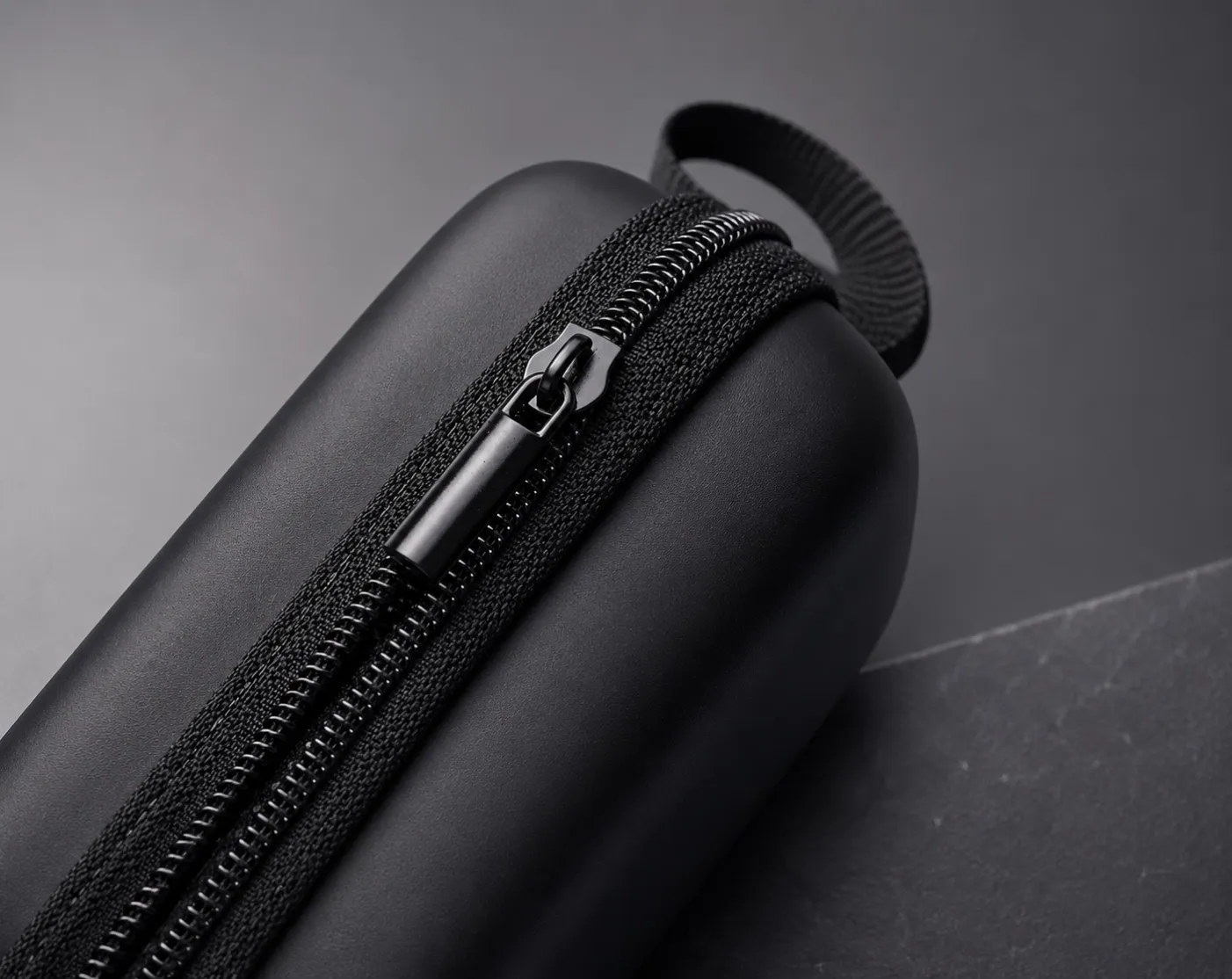
A custom EVA case is a protective carrying case designed and manufactured according to the specific dimensions and requirements of a product.
Unlike standard cases, custom EVA cases are created specifically for:
- Medical equipment
- Electronic devices
- Professional tools
- Cameras
- Musical equipment
- Industrial instruments
A typical custom EVA case includes:
- EVA molded shell
- Fabric exterior
- Zipper system
- Handle
- Custom foam insert
- Product compartments
- Branding elements
Step 1: Product Requirement Analysis
Every custom EVA case project begins with understanding the customer's product and application requirements.
A manufacturer typically evaluates:
Product Information
Including:
- Product dimensions
- Weight
- Shape
- Accessories
- Fragile areas
Usage Environment
The case design depends on where and how the product will be used.
Examples:
- Daily transportation
- Outdoor environments
- Professional field work
- Medical applications
- Industrial environments
Protection Requirements
The manufacturer determines:
- Foam structure
- Material thickness
- Internal support
- Case construction
A clear understanding at this stage helps avoid design problems later.
Step 2: Product Design and Engineering Development
After requirements are confirmed, engineers begin developing the case design.
The design process may include:
2D Drawing Development
Engineers create technical drawings showing:
- Case dimensions
- Structure
- Component positions
3D Modeling
3D models help evaluate:
- Product fitting
- Internal layout
- Exterior appearance
Foam Layout Design
Engineers design:
- Product cavities
- Accessory compartments
- Foam layers
A good design ensures the product is protected while remaining easy to remove and use.
Step 3: Material Selection
Choosing the correct materials directly affects case performance.
A custom EVA case usually consists of several components.
EVA Foam
The foam determines:
- Shock absorption
- Product support
- Internal protection
Different density options are selected according to product requirements.
Exterior Fabric
Common options include:
- Nylon fabric
- Polyester fabric
- PU leather
- Custom branded materials
The exterior affects:
- Appearance
- Durability
- Brand image
Hardware Components
Including:
- Zippers
- Handles
- Pull tabs
- Logo components
Step 4: Prototype Development
Before mass production, creating a prototype is an important step.
A prototype allows brands to verify:
- Product fitting
- Case dimensions
- Foam protection
- Appearance
- User experience
During prototype testing, manufacturers can adjust:
- Foam thickness
- Internal layout
- Case structure
- Materials
This reduces risks before full production.
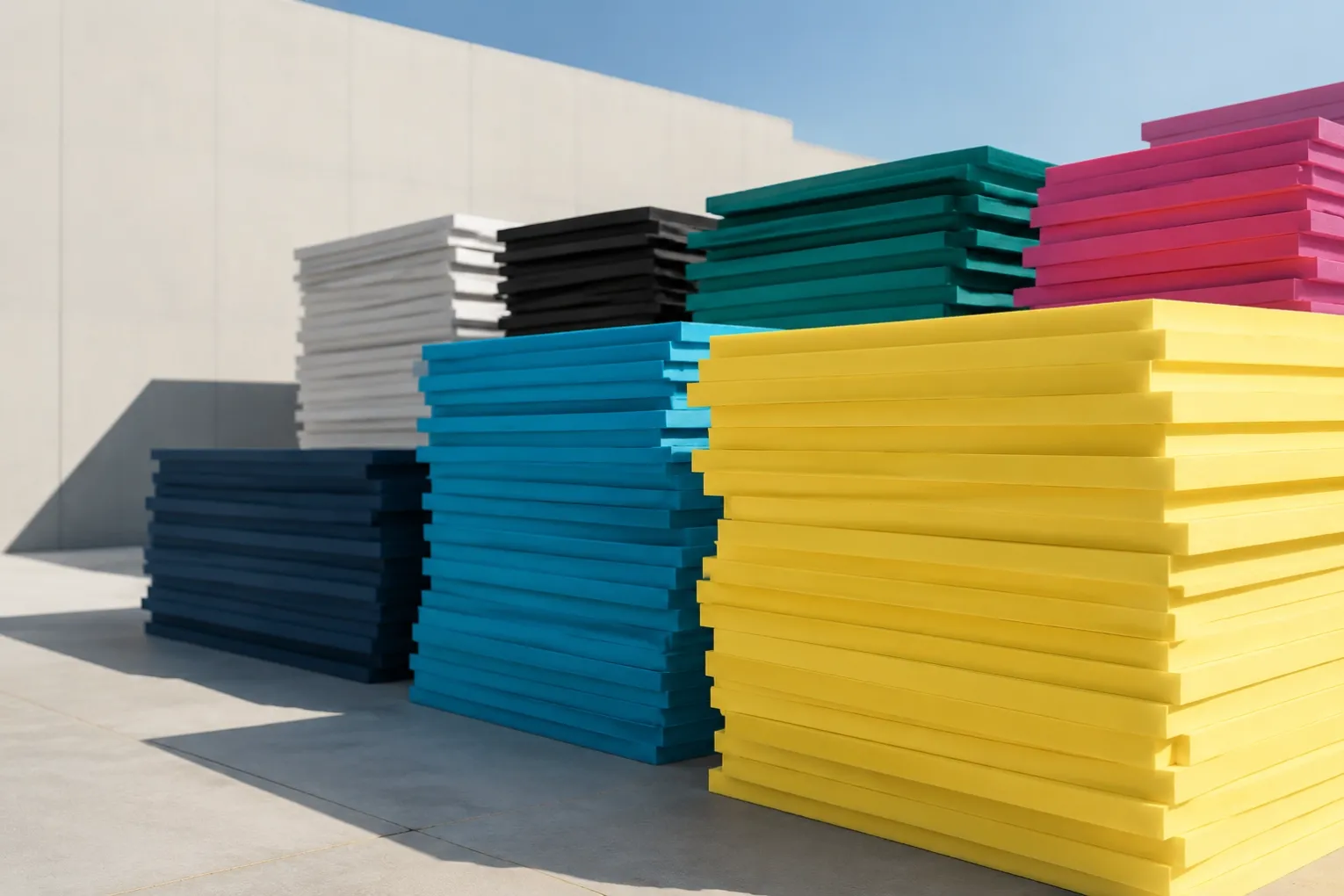
Step 5: EVA Foam Processing
After design approval, production begins.
The foam processing method depends on the product requirements.
CNC Foam Cutting
CNC cutting uses computer-controlled equipment to create precise foam inserts.
Advantages:
- High accuracy
- Flexible design changes
- Suitable for prototypes and small batches
Common applications:
- Medical equipment
- Electronics
- Precision instruments
Die Cutting
Die cutting uses customized cutting tools to produce foam components.
Advantages:
- Efficient mass production
- Consistent quality
- Cost-effective for larger orders
EVA Compression Molding
Compression molding creates the shaped EVA case shell.
The process involves:
- Preparing EVA material
- Applying heat and pressure
- Forming the case shape
- Cooling and finishing
This creates a durable and professional case structure.
Step 6: Fabric Lamination and Exterior Finishing
After EVA forming, the case surface is covered with selected materials.
This process improves:
- Appearance
- Surface protection
- Brand presentation
Options include:
- Custom colors
- Different textures
- Logo applications
- Premium finishes
For brands, exterior customization helps create a consistent product identity.
Step 7: Case Assembly
During assembly, different components are combined into the final product.
The assembly process may include:
Sewing
Used for:
- Fabric joining
- Edge finishing
- Handle attachment
Zipper Installation
Zippers are installed and tested for:
- Smooth operation
- Strength
- Durability
Handle Assembly
Handles are designed according to:
- Product weight
- Carrying method
- Usage frequency
Foam Insert Installation
Custom foam inserts are placed according to the approved design.
Step 8: Quality Inspection
Quality control is essential for custom EVA case manufacturing.
A reliable manufacturer checks:
Dimension Accuracy
Ensuring:
- Product fits correctly
- Foam layout matches design
Appearance Quality
Checking:
- Surface finish
- Sewing quality
- Logo position
Functional Testing
Including:
- Zipper operation
- Handle strength
- Opening and closing performance
Packaging Inspection
Ensuring products arrive safely after international transportation.
Step 9: Packaging and Shipping
After final inspection, finished EVA cases are prepared for shipment.
The manufacturer manages:
- Individual packaging
- Carton packing
- Export preparation
- Shipping arrangements
Professional packaging reduces the risk of damage during transportation.
How Long Does Custom EVA Case Manufacturing Take?
Production time depends on:
- Design complexity
- Prototype requirements
- Order quantity
- Material availability
A typical development timeline:
Stage | Estimated Time |
|---|---|
Design discussion | 3-7 days |
Prototype development | 7-15 days |
Design approval | 3-5 days |
Mass production | 15-30 days |
Complex projects may require additional development time.
Why Choose an Experienced EVA Case Manufacturer?
A professional EVA case supplier provides more than production.
They help brands with:
Engineering Support
Turning product ideas into manufacturable designs.
Material Recommendations
Selecting suitable foam density and materials.
Prototype Development
Testing before mass production.
Manufacturing Control
Maintaining consistent quality.
OEM Flexibility
Supporting different industries and product requirements.
Custom EVA Case Applications
Custom EVA cases are widely used in:
Medical Industry
For:
- Portable medical devices
- Diagnostic equipment
- Healthcare instruments
Electronics Industry
For:
- Electronic products
- Testing devices
- Controllers
- Sensors
Tool Industry
For:
- Professional tools
- Measuring equipment
- Repair systems
Digital and Consumer Products
For:
- Cameras
- Drones
- Accessories
Music Industry
For:
- Audio equipment
- Controllers
- Musical accessories
Why Work With Bravie Case?
Bravie Case specializes in custom EVA case manufacturing for international brands.
Our capabilities include:
- Custom EVA case design
- Prototype development
- Foam insert engineering
- OEM production
- Quality inspection
We support companies that need reliable protective cases for medical, electronic, tool, digital, and professional products.
From the first concept to final production, Bravie Case helps brands create customized EVA protection solutions.
Frequently Asked Questions About EVA Case Manufacturing
What information does a manufacturer need to make a custom EVA case?
Manufacturers usually need product dimensions, photos, 3D files, usage requirements, and customization preferences.
Can I order a prototype before mass production?
Yes. Prototype development allows brands to test product fitting, protection, and appearance before placing a larger order.
How are EVA cases customized?
Customization options include size, shape, foam inserts, fabric materials, colors, logos, zippers, handles, and internal layouts.
What is the MOQ for custom EVA cases?
MOQ depends on the case design, production process, and materials. Manufacturers can provide solutions for different project sizes.
How do manufacturers ensure EVA case quality?
Quality is controlled through material inspection, production checks, dimensional testing, appearance inspection, and final product testing.
Conclusion
Custom EVA case manufacturing is a combination of engineering, material selection, precision processing, and quality control.
Choosing the right EVA case manufacturer allows brands to create protective solutions that improve product safety, usability, and customer experience.
For companies looking for OEM custom EVA case production, Bravie Case provides complete support from design development to finished manufacturing.