Oct 27, 2026Guides/Insights
Do Electronics EVA Cases Need Anti-Static Foam Inserts?
Do custom EVA cases for electronic equipment need anti-static foam? Learn when ESD protection matters, how it differs from cushioning, and what buyers should confirm before sampling.
Not every electronic device needs anti-static foam inside its carrying case.
For fully enclosed devices, standard protective foam may be suitable. However, exposed circuit boards, electronic components and other electrostatic discharge-sensitive items may require specific ESD protective materials.
Before choosing the insert, buyers should understand the difference between physical cushioning and electrostatic protection.
Physical Protection and ESD Protection Are Different
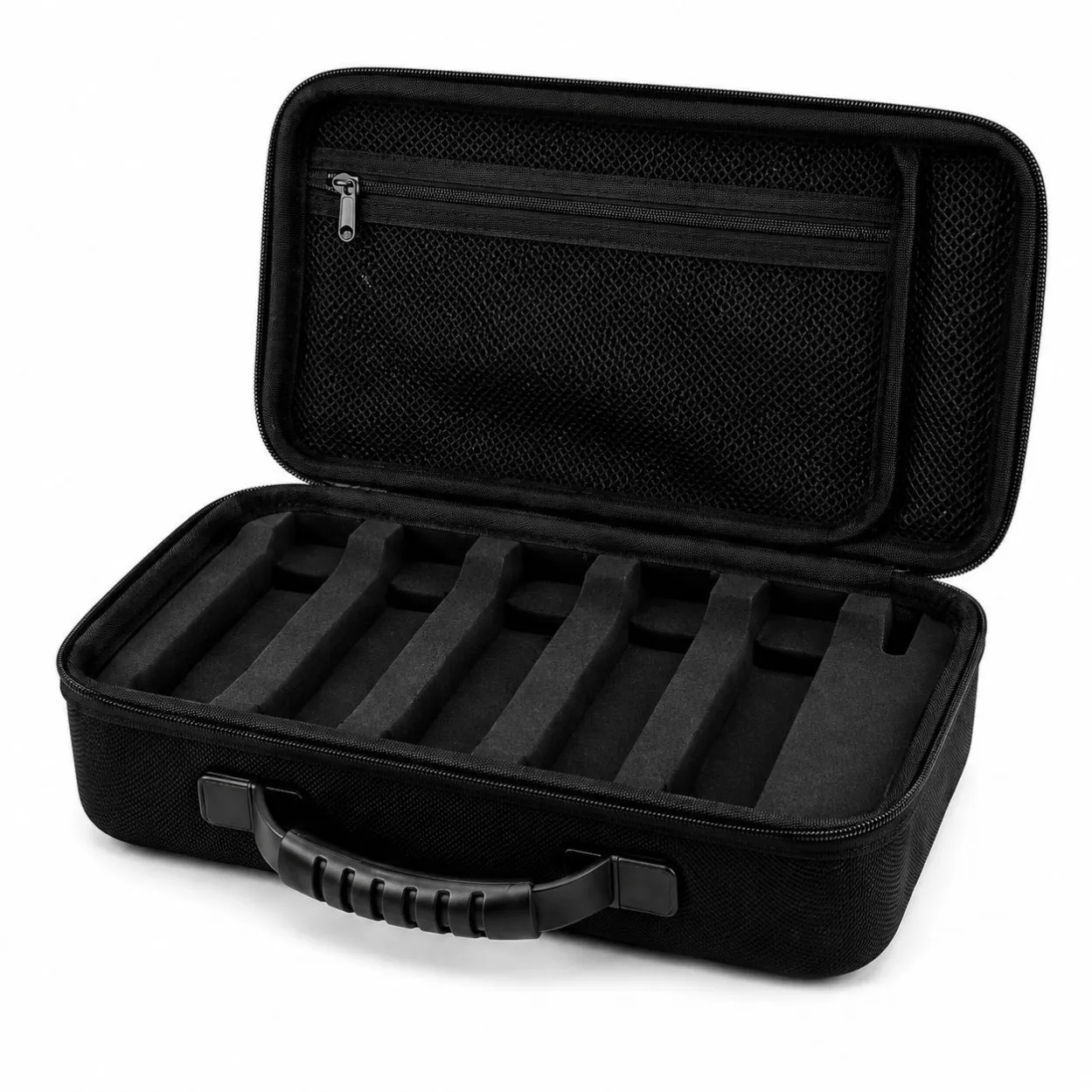
A standard foam insert helps keep equipment in position and reduces movement during handling and transportation.
ESD protective materials serve a different purpose: helping control electrostatic risks that may damage sensitive electronic components.
A foam insert that provides good cushioning does not automatically provide ESD protection.
Both requirements should be considered when necessary.
When Should Buyers Consider ESD Foam?
ESD protection may be relevant for cases carrying:
- Exposed printed circuit boards
- Sensitive electronic assemblies
- Components with exposed electrical contacts
- Electronic parts requiring controlled handling
- Equipment with specific ESD packaging requirements
For a finished device enclosed in a protective housing, the requirements may be different.
The decision should be based on the sensitivity of the actual product and how it will be stored, handled and transported.
Is All Anti-Static Foam the Same?
No.
Terms such as anti-static, static dissipative and conductive describe different material properties.
The appropriate material depends on the product's ESD protection requirements.
Foam color alone is not reliable evidence of electrical performance.
For sensitive components, buyers should request the relevant material specifications and, where necessary, supporting test information.
Does ESD Foam Replace Protective Packaging?
Not necessarily.
ESD foam may help control electrostatic risks, but the complete packaging system must also provide the required level of physical protection.
Some products may need appropriate shielding packaging in addition to cushioning.
A standard EVA carrying case should not be assumed to provide certified ESD shielding simply because an anti-static insert has been added.
What Should Buyers Confirm Before Sampling?
Before developing a custom electronics carrying case, confirm:
- Whether the device is ESD-sensitive
- Whether electronic contacts are exposed
- Required ESD material properties
- Product dimensions and weight
- Foam contact areas
- Handling and transportation conditions
- Required material documentation
- Estimated order quantity
These details help determine whether a standard insert is sufficient or whether a special material needs to be sourced and evaluated.
Can Bravie Case Support ESD-Sensitive Projects?
Bravie Case can review the carrying-case structure, foam layout and customer-specified ESD requirements during project evaluation.
Specialized materials and supporting documentation must be confirmed with the production resources involved before any performance claims are made.
The final protective arrangement should be validated against the customer's technical requirements.
Planning a Carrying Case for Electronic Equipment?
Send Bravie Case your device dimensions, photos, estimated quantity and any ESD protection requirements.
We can review the proposed carrying-case construction and discuss suitable interior options before proceeding to paid sample development.