Aug 29, 2026
Custom EVA Case for Electronic Devices: Why We Recommended a Molded EVA Insert
Custom EVA Case for Electronic Devices | Molded EVA Insert Case StudySee why Bravie recommended a molded EVA insert for an electronic device case to improve product retention, interior cleanliness and
Custom EVA Case for Electronic Devices: Why We Recommended a Molded EVA Insert
When designing a custom EVA case for an electronic device, the interior structure can be just as important as the outer shell.
In a recent electronics packaging project, our customer needed a protective carrying case that could hold the device securely while keeping the interior clean and organized.
After reviewing the product requirements and comparing different insert options, we recommended a molded EVA insert instead of a conventional CNC-cut foam insert.
The decision was mainly based on three considerations: product retention, interior cleanliness, and overall appearance and cost balance.
The Packaging Challenge
Electronic devices often include connectors, openings, buttons, screens, and other sensitive areas. A suitable carrying case therefore needs to do more than simply prevent scratches.
For this project, we focused on three practical questions:
- How can the device remain securely positioned during storage and transportation?
- How can we minimize loose particles inside the case?
- How can the interior look clean and professional when the case is opened?
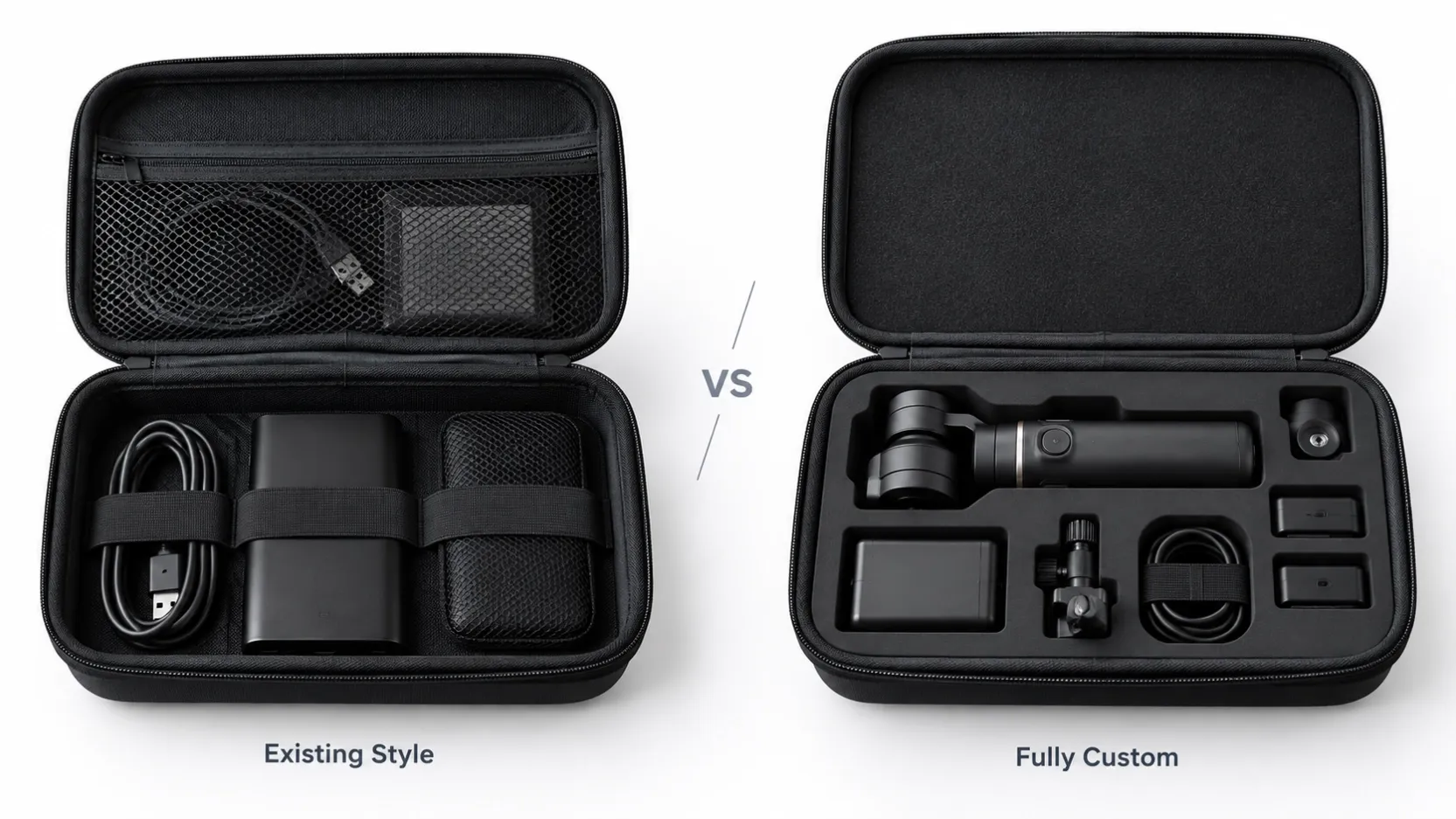
CNC-cut foam is a widely used solution for custom protective cases. It is flexible, easy to customize, and particularly useful for prototypes, irregular products, and projects with multiple accessories.
However, after reviewing the requirements of this electronic product, we believed a molded EVA insert was a better fit.
CNC-Cut Foam vs. Molded EVA Insert
There is no single insert structure that is suitable for every project.
CNC-cut foam can be an excellent option when the product is still changing, when there are many irregular accessories, or when the customer wants a structure that can be modified relatively easily during development.
A molded EVA insert is different.
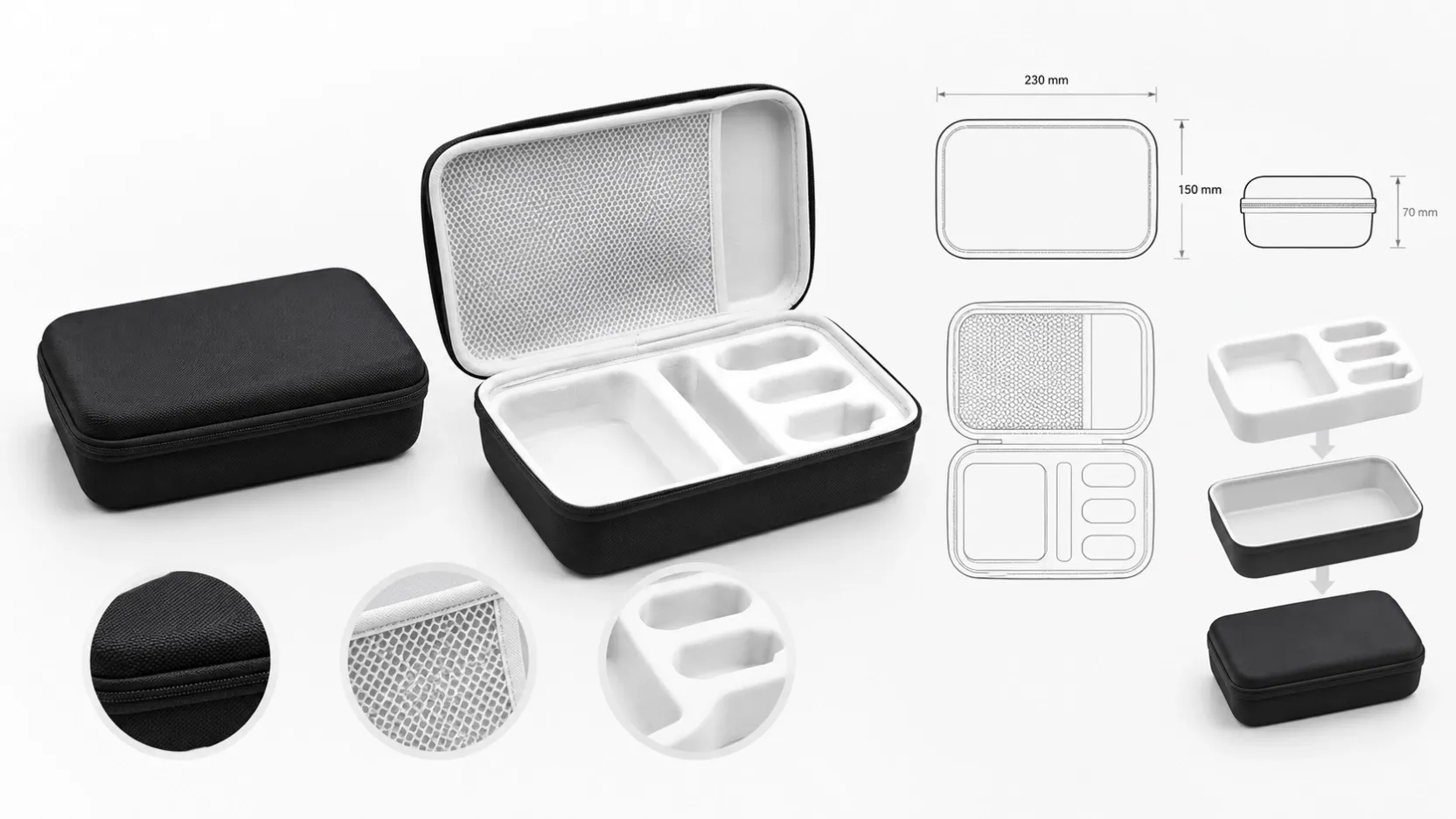
Instead of creating the product cavity mainly through cutting, the insert is formed into a defined shape. This can provide a more integrated surface and a cleaner overall appearance.
For this electronic device project, these characteristics offered several advantages.
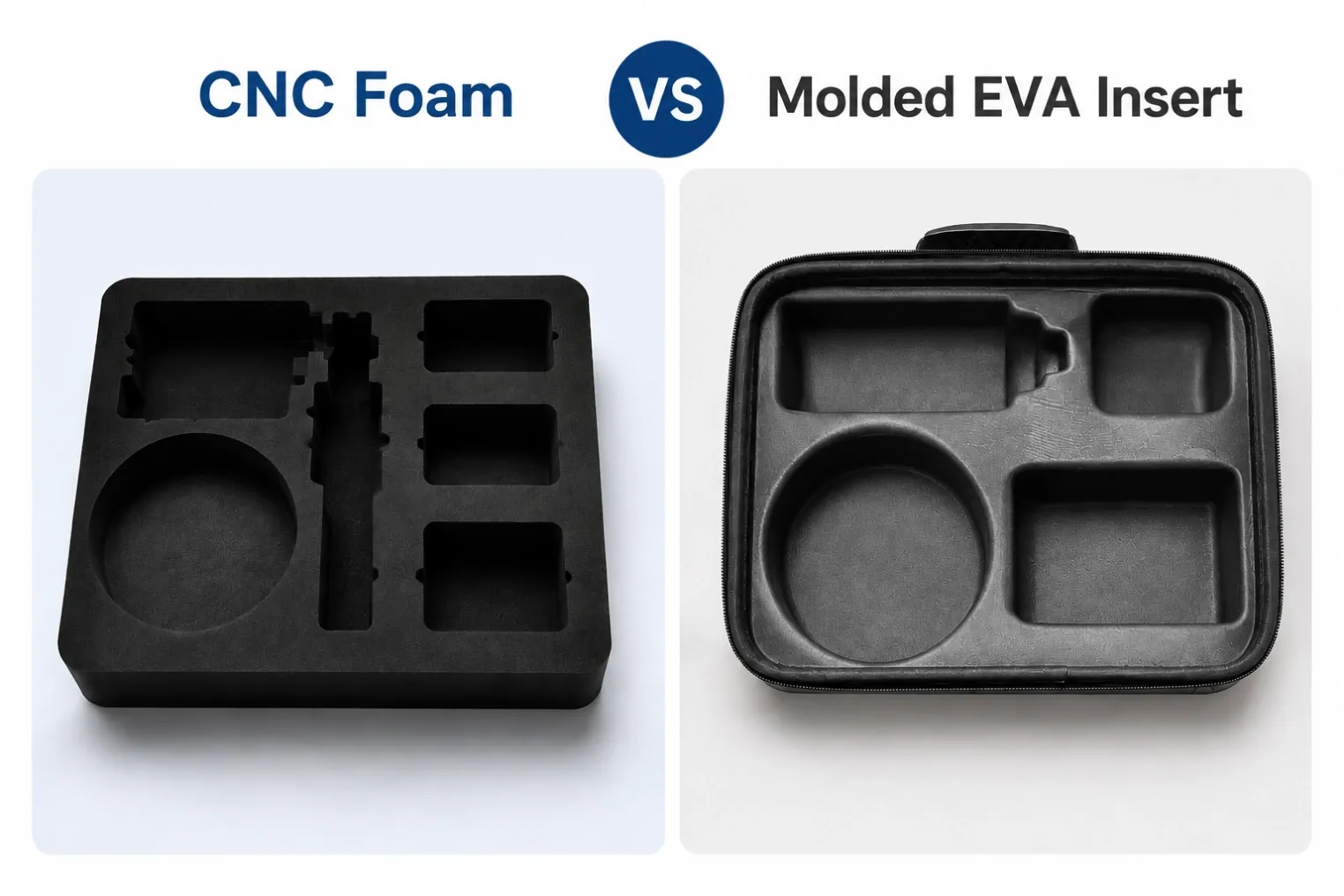
1. More Consistent Product Positioning
The first consideration was product retention.
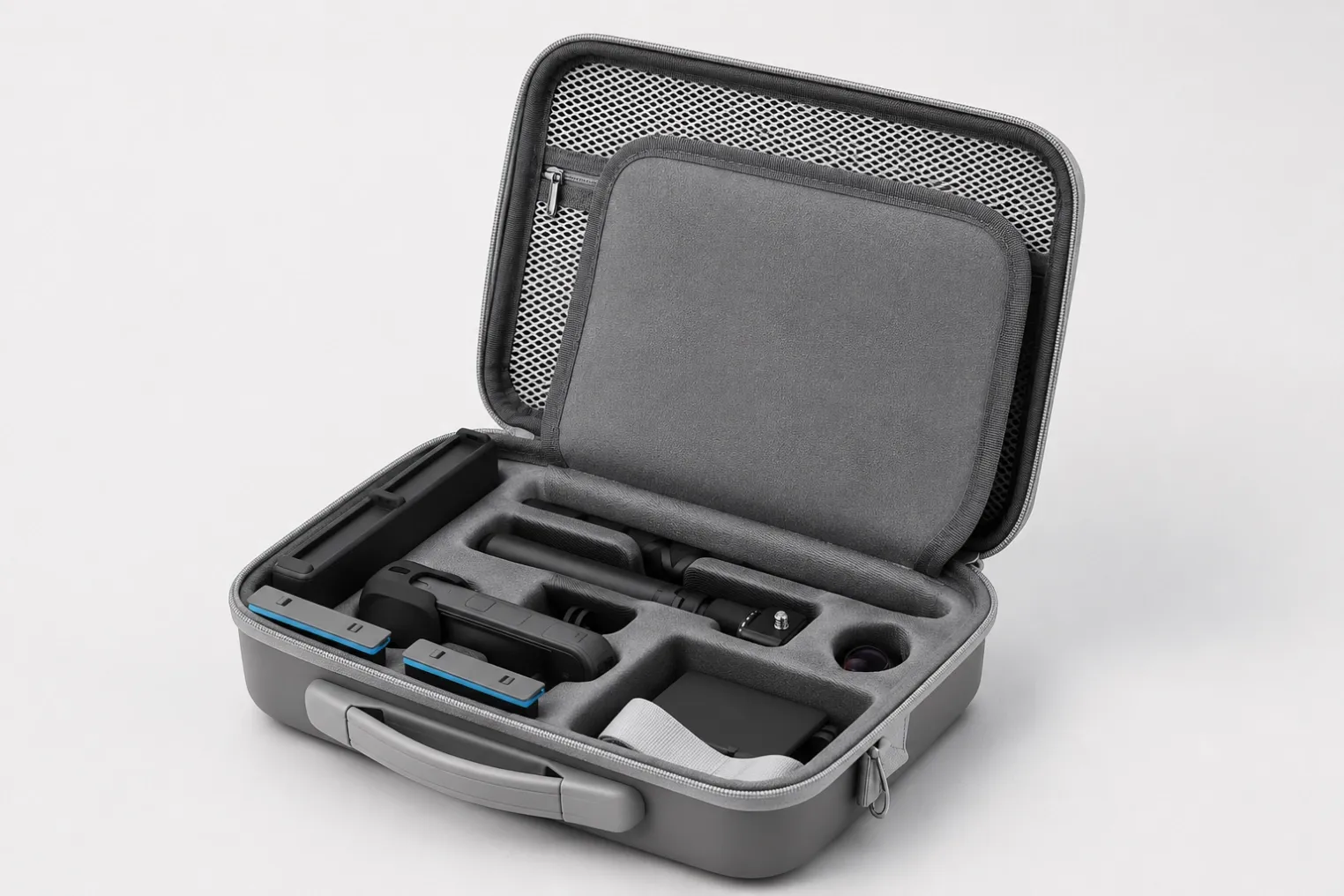
A molded insert can be designed around the shape and dimensions of the device, creating a defined cavity that helps keep the product in a consistent position inside the case.
For equipment that is frequently removed and returned to the case, the insert can also be designed with finger access and suitable cavity depth to make the product easier to take out.
The goal is not simply to make the cavity as tight as possible.
A good insert should provide enough support to reduce unnecessary movement while still allowing the user to remove and replace the device comfortably.
2. A Cleaner Interior for Electronic Devices
Interior cleanliness was particularly important for this project.
CNC-cut foam is practical for many protective case applications. However, depending on the foam material and cutting process, exposed cut edges may sometimes produce small loose particles over time.
For tools or some industrial products, this may not be a major concern.
For electronic products with connectors, openings, or sensitive surfaces, however, minimizing loose particles inside the case can become an important part of the packaging design.
A molded EVA insert provides a more continuous finished surface with fewer exposed cut edges. This helps create a cleaner and more controlled interior for the electronic device.
This does not mean that every molded insert is completely dust-free. Material performance and surface condition should still be checked and confirmed during the sampling stage.
3. A Cleaner and More Integrated Appearance
Presentation was another important consideration.
When a customer opens a carrying case, the interior becomes part of the product experience.
With a molded insert, the product cavity and surrounding surface can be integrated into a cleaner-looking structure. The device has a clearly defined position, and the overall layout can appear more organized and professional.
This can be especially useful for branded electronic products, sales demonstration equipment, professional devices, and products supplied to distributors or end users as a complete kit.
For this particular project, the molded EVA structure also provided a more favorable cost balance compared with the alternative insert structure we evaluated.
However, this does not mean molded EVA inserts are always less expensive than CNC-cut foam.
The final cost depends on the insert size, material, cavity complexity, tooling requirements, order quantity, and production process.
That is why we prefer to compare different structures according to the actual project rather than recommend the same solution for every customer.
When Is a Molded EVA Insert a Good Choice?
A molded EVA insert may be worth considering when:
- the electronic product design is relatively stable;
- the device needs a clearly defined storage position;
- interior cleanliness is important;
- the customer wants a cleaner and more integrated presentation;
- the project is moving from prototype development to repeat production.
For early-stage prototypes, frequently changing layouts, or products with many irregular accessories, CNC-cut foam may still be the more practical solution.
The right choice depends on the product, how the case will be used, and the customer's priorities.
Start With the Product, Not the Case
At Bravie, we believe a custom EVA case project should start with the product itself.
Before recommending an insert structure, we look at information such as the product dimensions, weight, shape, accessories, sensitive areas, usage scenario, and estimated order quantity.
From there, we can compare different shell and interior options and coordinate a suitable solution with our manufacturing partners.
Sometimes the right solution is CNC-cut foam. Sometimes it is a molded EVA insert. In other projects, a combination of different materials may work better.
The objective is not to use the most complicated structure.
It is to find a practical balance between protection, organization, appearance, cost, and usability.
Developing a Custom Case for an Electronic Device?
If you are developing a carrying case for an electronic device, controller, sensor, tester, communication device, or other professional equipment, send us your product photos, dimensions, accessory list, and estimated quantity.
We can help you evaluate suitable EVA case and insert options before you move into sampling or tooling.
Let's Start Your Custom EVA Case Project!