Oct 19, 2026Guides/Insights
EVA Case Lid Depth vs Base Depth: Why Internal Height Matters
Learn how lid depth, base depth and foam thickness affect usable space inside a custom EVA case and why total internal height alone cannot guarantee a proper fit.
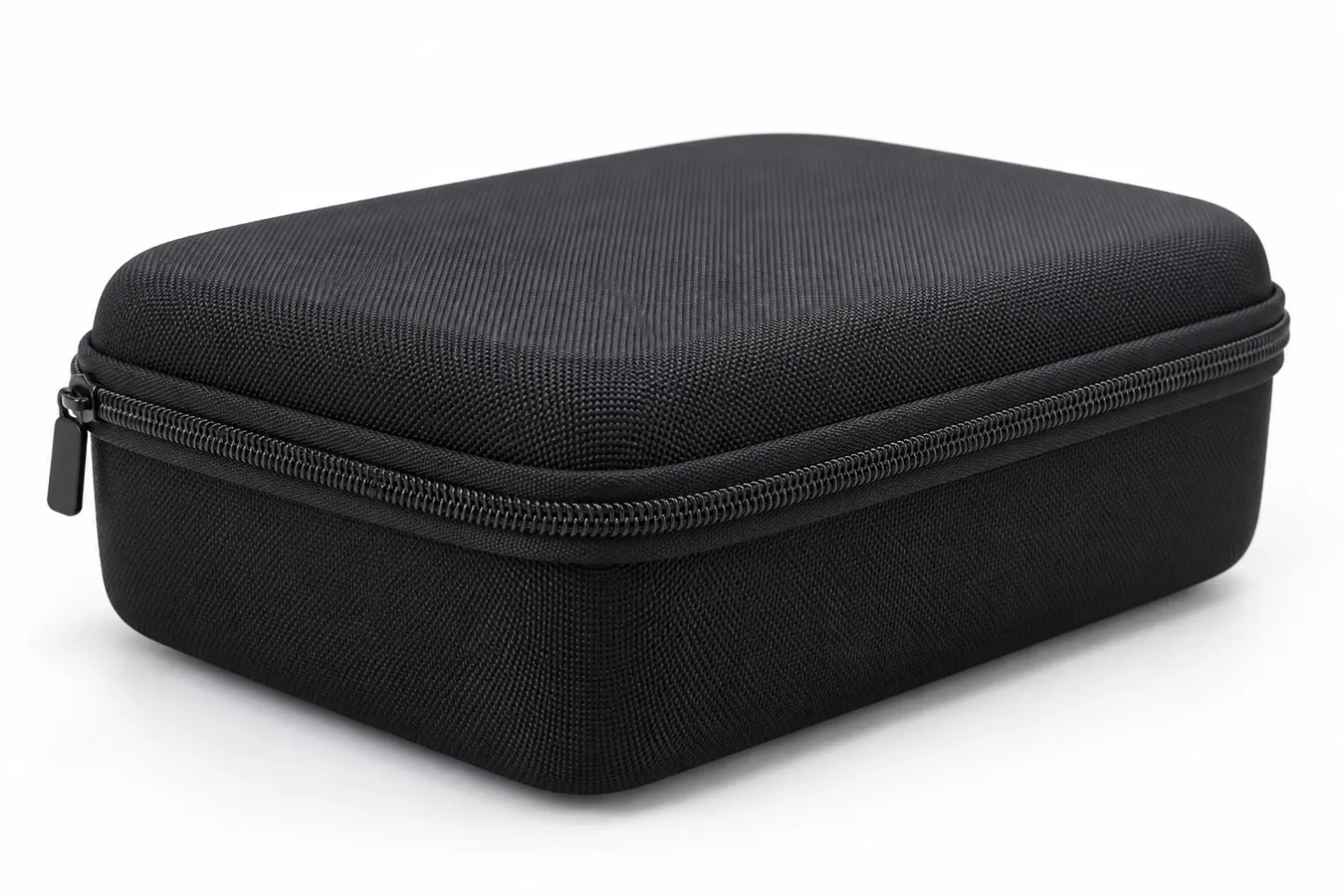
A custom EVA case may appear large enough for your equipment, but that does not always mean the product will fit properly when the case is closed.
One important detail is how the internal height is divided between the lid and base.
For products with different component heights, this can affect the entire interior layout.
What Is the Difference Between Lid Depth and Base Depth?
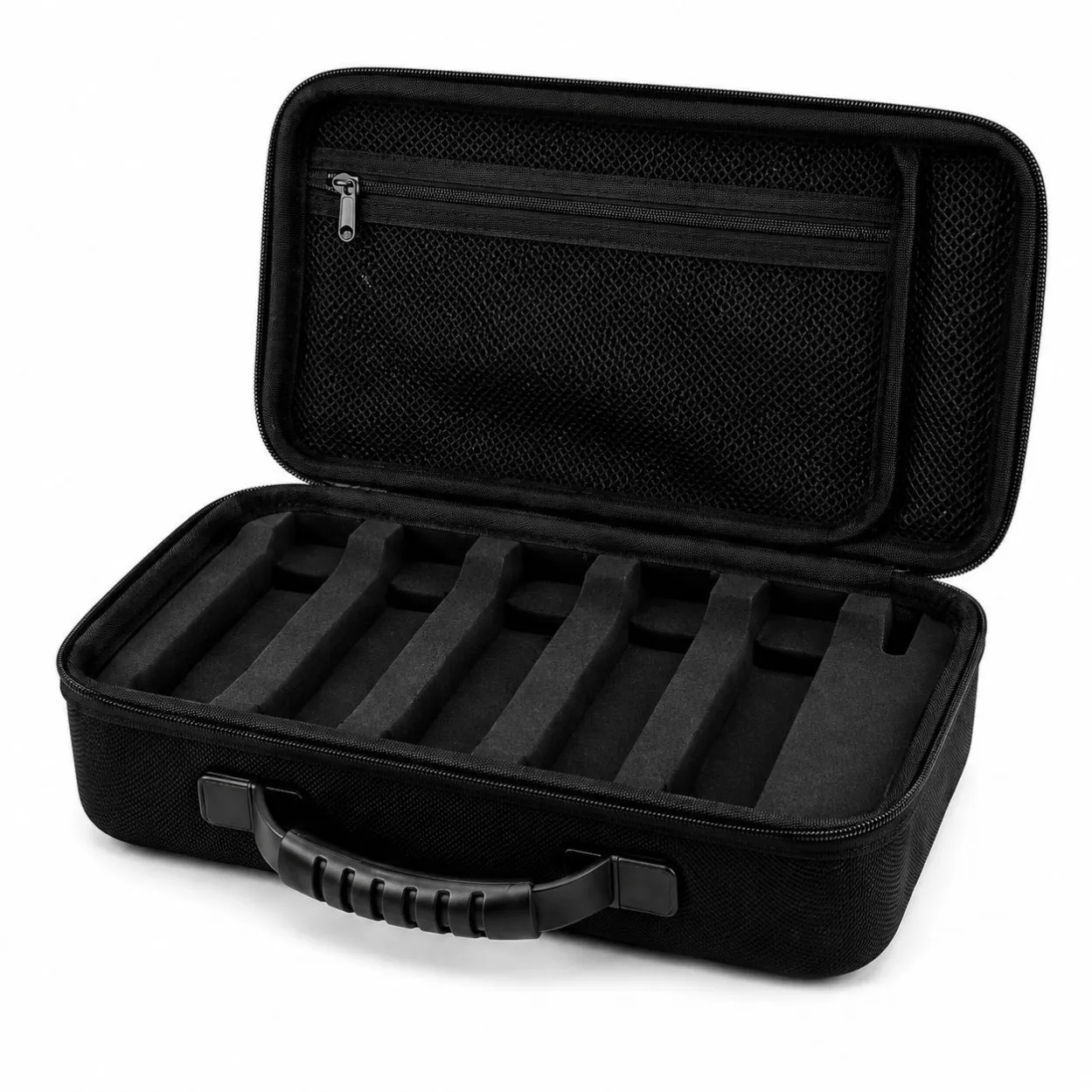
Lid depth refers to the internal space available in the upper half of the case.
Base depth refers to the internal space available in the lower half.
For example, a case may have approximately 60 mm of total internal height, divided into:
- Lid depth: 30 mm
- Base depth: 30 mm
However, this does not mean that the full 60 mm is available for the product.
Foam inserts, lining, pockets and protective clearance all affect the usable space.
Why Does Foam Thickness Matter?
The bottom of a custom foam cavity normally needs sufficient material to support the equipment.
For example, if a base has 30 mm of internal depth and 5 mm of bottom foam is retained, the available cavity depth is approximately 25 mm before considering other construction details.
If the product is 35 mm high, part of it may extend above the base.
This is not automatically a problem, but sufficient space and suitable retention must be provided in the lid.
Can a Taller Product Extend Into the Lid?
In some designs, yes.
The lid may provide additional clearance for taller equipment.
However, the layout must consider:
- Product height above the base
- Lid foam or lining thickness
- Sensitive buttons, screens and connectors
- Pressure on the product when closed
- Retention during carrying
A product should not rely on excessive lid pressure simply to make the case close.
What About Accessories With Different Heights?
Many professional equipment kits include components with very different dimensions.
A flat manual, compact instrument, charger and tall accessory may not require the same cavity depth.
The layout should consider each component separately.
Sometimes a different product orientation or rearranged accessory position is more practical than increasing the entire case thickness.
Why Is Prototype Validation Important?
Dimensions and drawings can help identify potential height conflicts during the initial review.
However, they cannot fully confirm foam compression, actual closure pressure or product retention.
These details should be checked using a functional prototype during the paid sampling stage.
At Bravie Case, preliminary dimensional reviews are based on available case specifications and customer-provided product information. Actual fit and closure validation take place during prototyping.
Need Help Reviewing Your EVA Case Interior?
If your equipment includes components with different heights, send Bravie Case the product dimensions, accessory list, photos and estimated order quantity.
We can review potential case structures and lid/base depth arrangements before proceeding to sample development.