What Affects the Cost of a Custom EVA Case?
Why can two custom EVA cases have very different prices? Learn which project factors — from case size and tooling to interior layout and order quantity — have the biggest impact on cost.
If you are sourcing a custom EVA case, one of the first questions is usually: How much will it cost?
There is rarely one standard answer. Two cases that look similar from the outside can have very different project costs depending on the size, tooling, interior layout, accessories and order quantity.
Understanding these factors before requesting a quote can help you make better decisions — and avoid paying for customization your project may not actually need.
1. Case Size and Structure
The overall dimensions and construction of the case are one of the first factors affecting cost.
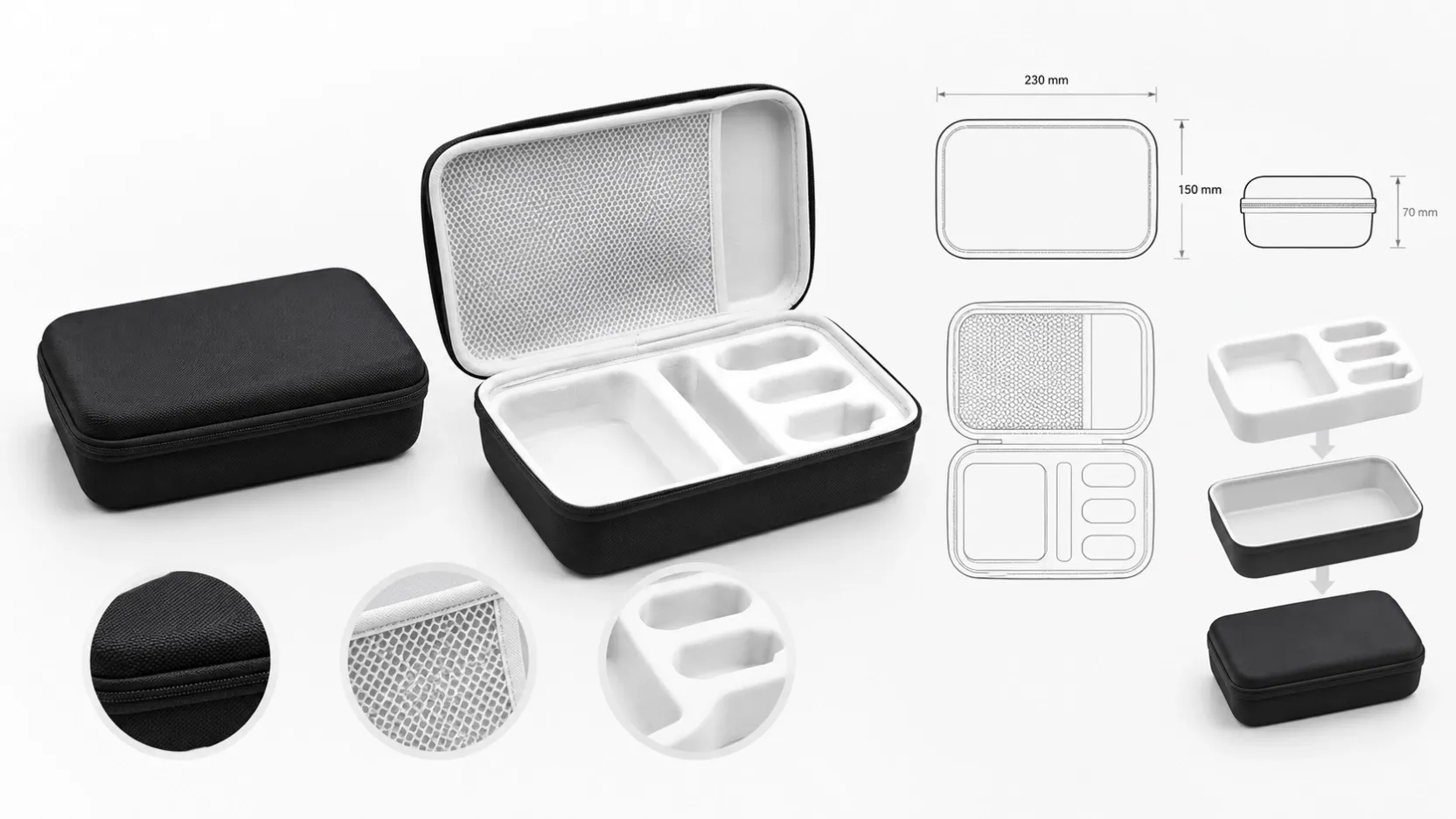
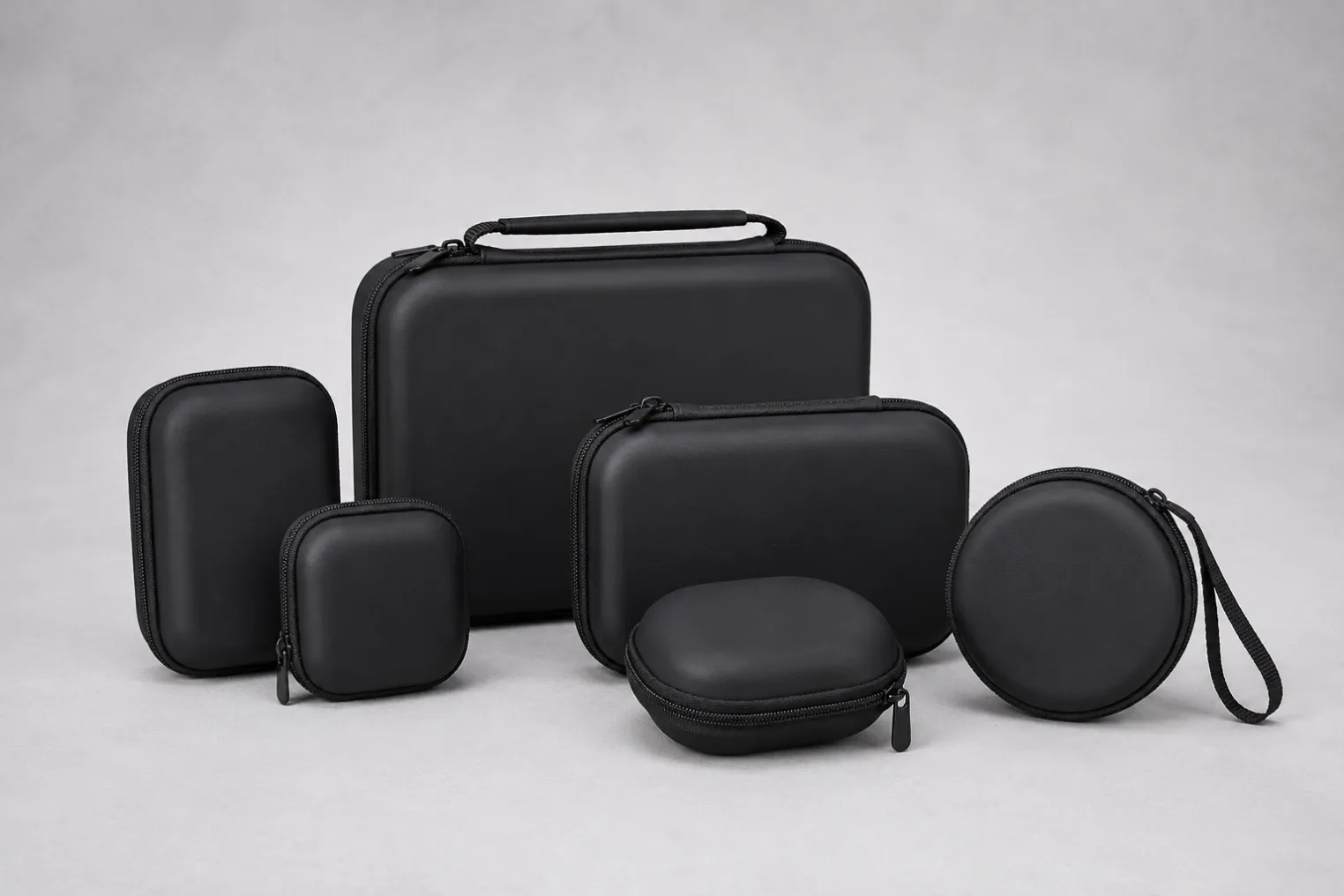
A compact case for a small electronic device has very different material and construction requirements from a larger case carrying an instrument, cables, probes and accessories.
This is why it is better to determine the case around the complete product set, rather than choosing an exterior size first.
2. Existing Case Size or New Tooling?
A fully custom exterior is not always necessary.
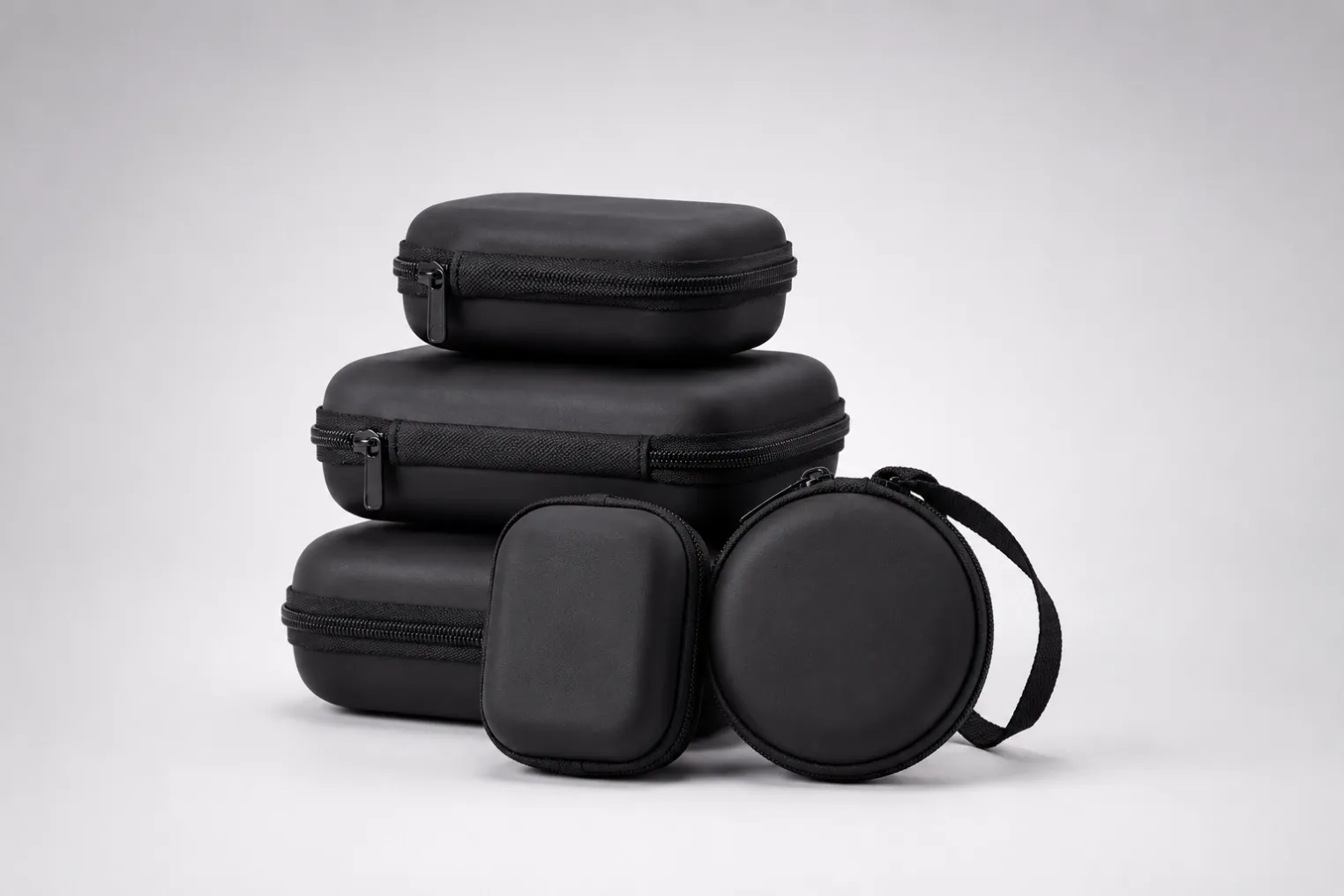
If a suitable existing case size is available, it may be possible to customize the interior, logo and other details without developing a completely new shell size.
New tooling becomes more relevant when the project requires specific exterior dimensions, a particular shape or a more dedicated long-term solution.
For many new projects, checking suitable existing sizes first is a practical way to control development cost.
3. Interior Layout and Insert Complexity
The inside of the case can have a significant impact on the project.
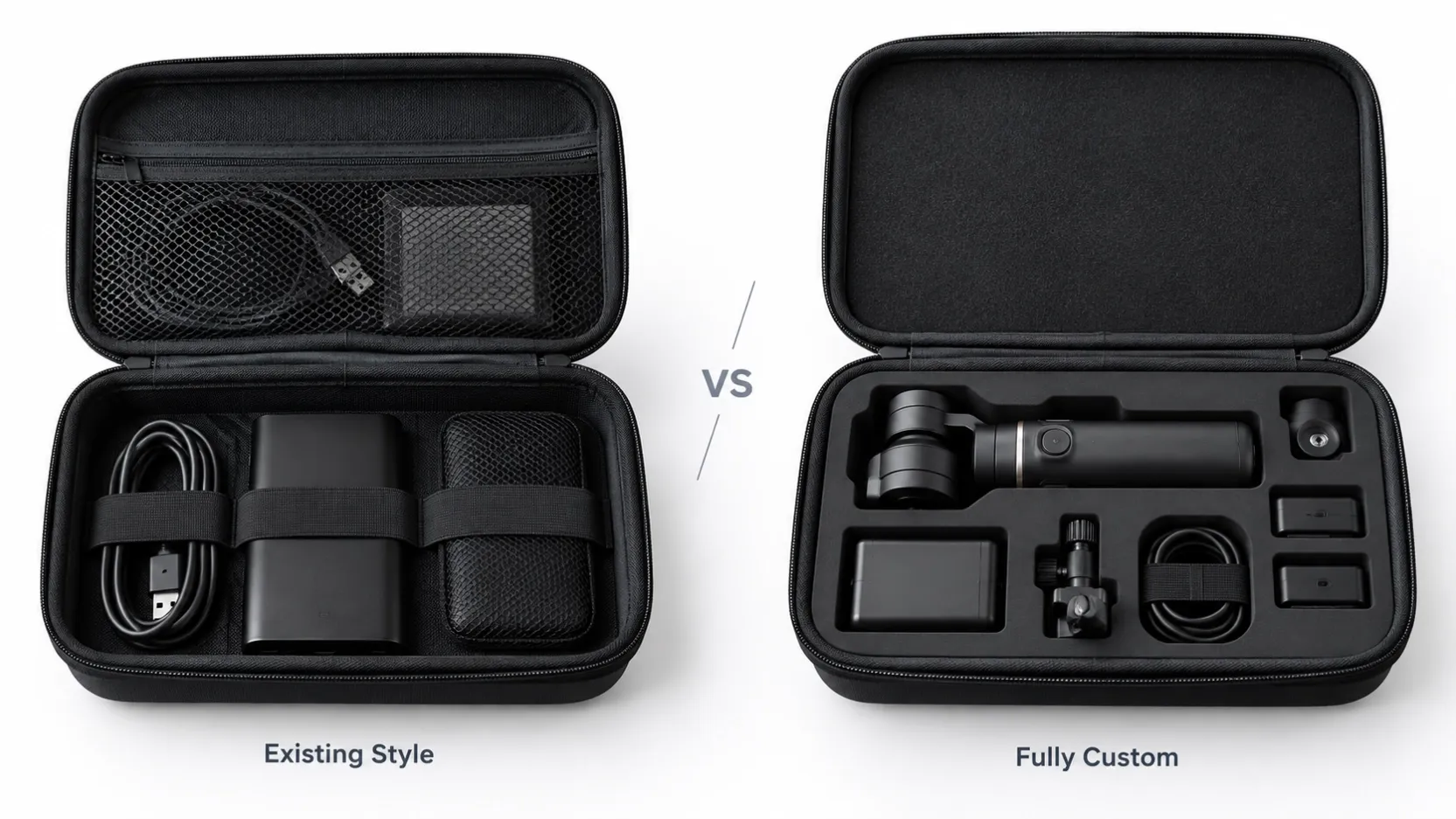
A simple foam cavity for one device is different from a layout that needs to organize a main unit, charger, cables, probes, adapters and other accessories.
Depending on the product, the interior may use CNC-cut foam, layered foam, molded inserts, pockets or elastic holders.
The right solution should balance protection, organization, usability and cost rather than simply choosing the most complex insert.
4. Branding and Additional Features
Logo application, exterior materials, handles, pockets and other project-specific details can also affect the final quotation.
For a sales kit or branded professional device, these details may be important. For a simpler equipment case, some of them may not be necessary.
It is therefore useful to separate essential requirements from optional features before finalizing the case.
5. Order Quantity and Packaging
Estimated quantity is another important part of quotation planning.
A prototype project, an initial market order and a repeat production program may require different approaches to tooling, materials and packaging.
Sharing a realistic estimated quantity helps evaluate the project more accurately from the beginning.
What Should You Prepare Before Requesting a Quote?
You do not need to prepare a finished EVA case design yourself.
For an initial project review, the most useful information is usually:
- Product dimensions
- Product photos or drawings
- List of accessories that need to fit inside
- Estimated order quantity
- Logo or packaging requirements, if applicable
With this information, it becomes much easier to evaluate the case size, interior structure and whether existing tooling may be suitable.
Want to Understand the Cost of Your EVA Case Project?
Send us your product dimensions, photos or drawings, accessory list and estimated quantity. We can review the basic case structure and identify the main cost factors before prototype development.